
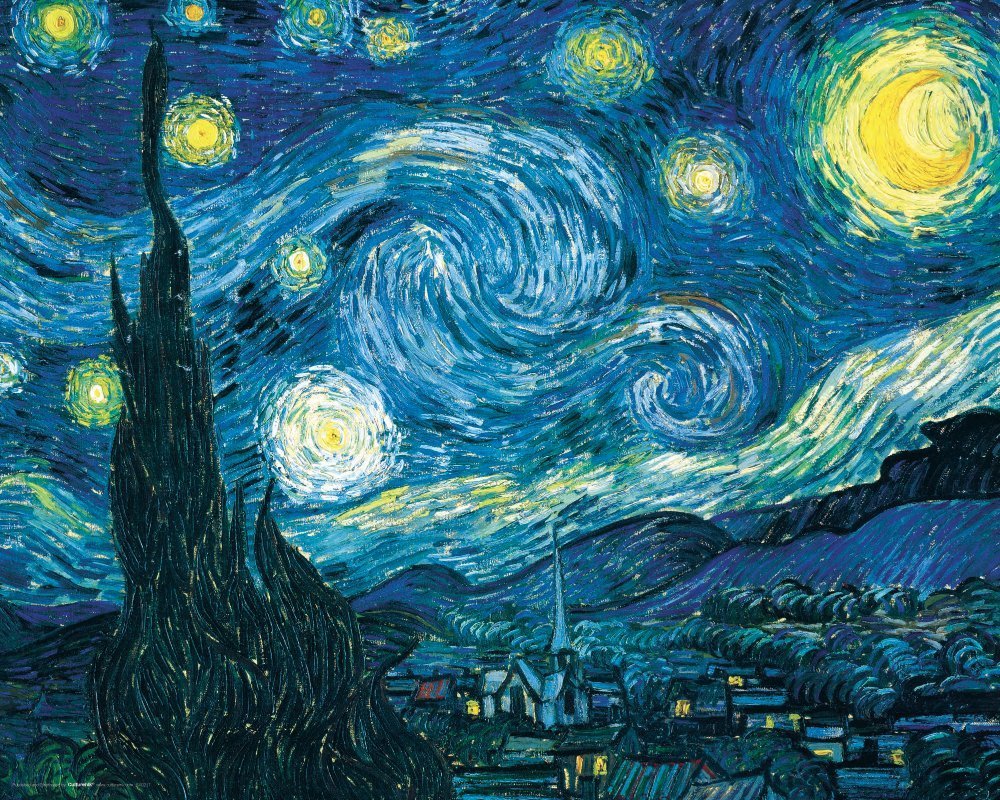
1. The Starry Night (1889)
2. Sunflowers (1888)
3. The Potato Eaters (1885)
4. Bedroom in Arles (1888)
5. Wheatfield with Crows (1890)
6. Irises (1889)
7. Café Terrace at Night (1888)
8. Self-Portrait with Bandaged Ear (1889)
9. L’Arlésienne (1888)
10. The Church at Auvers (1890)
11. Olive Trees (1889)
12. Cypresses (1889)
13. Portrait of Dr. Gachet (1890)
14. Still Life: Vase with Fifteen Sunflowers (1888)
15. The Sower (1888)
16. View of Arles with Irises (1888)
17. The Red Vineyard (1888)
18. Self-Portrait with Straw Hat (1887-88)
19. The Bridge at Arles (1888)
20. Still Life: Pears and Grapes (1887)
Stock of Art has painstakingly curated an art collection of Edvard Munch, presenting arts in JPG or TIF formats of the highest-resolution (Top HD in the entire web). Every piece within this collection has been meticulously gathered and compiled.
These aren’t just ordinary digital images; they are portals to the world of fine art. Each one is primed for printing in a super – high – definition format that defies the boundaries between the reproduced and the original. When printed, the hard copy emerge with a vivid clarity that is nothing short of astonishing. The colors are as rich and true as the day the artist first laid brush to canvas, the details as sharp as if one were examining the work up close in a prestigious gallery.
So lifelike are these prints that they seem to transcend the realm of mere reproduction. They stand as near – perfect facsimiles of the original artworks, ready to grace your walls as if they were the very masterpieces themselves. Hang them in your living room, study, or hallway, and let their beauty transform your space into a private gallery, a haven of aesthetic delight where the allure of great art is ever – present. (Please note, the below images that you are about to see ARE NOT in HD format, and are only for preview display, yet the resolutions of the files we sell are much much higher.)
(if you would like to purchase this collection, please the “buy now” button above to contact us)


Edvard Munch’s most famous art work is undoubtedly “The Scream”. Here’s why it holds such a prominent position:
Symbol of Cultural Significance: Over the years, “The Scream” has become a symbol not just in the art world but also in popular culture. It has been referenced, parodied, and reproduced in numerous forms, from movies and television shows to advertisements and literature, further cementing its status as one of the most famous artworks of all time.
Iconic Image: “The Scream” presents a haunting and unforgettable image. A figure with a skull-like face stands on a bridge, its mouth wide open in a silent scream, surrounded by a swirling, blood-red sky and a distorted landscape. The vivid colors and exaggerated forms make it instantly recognizable and deeply ingrained in the public consciousness.
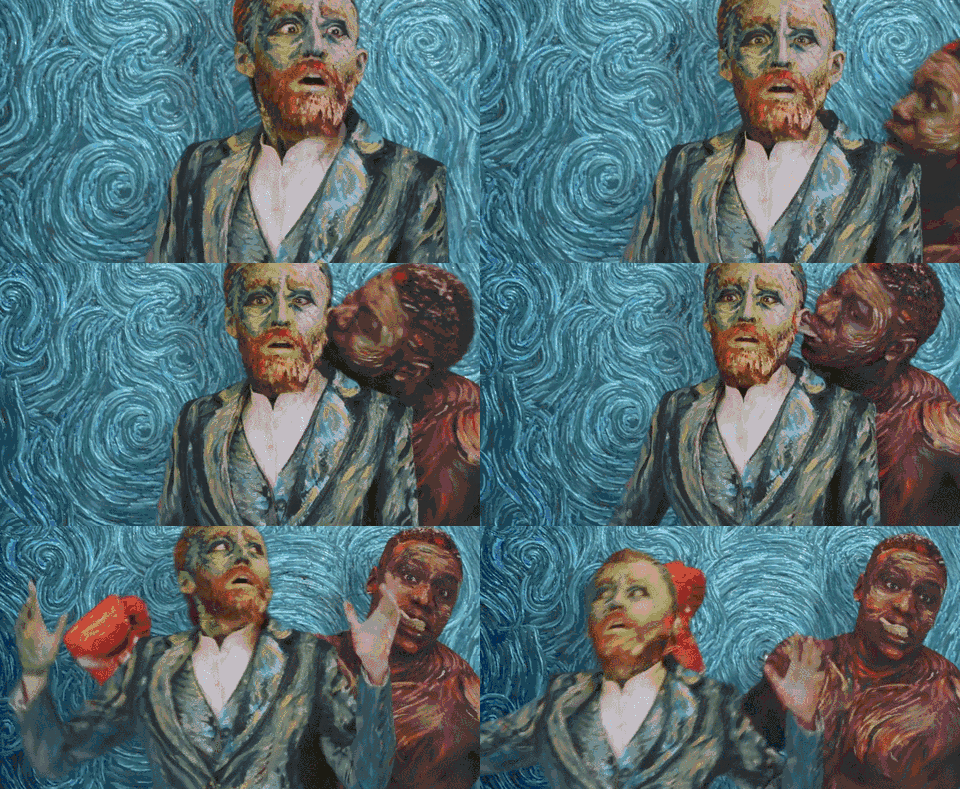
Expression of Modern Anxiety: The painting is a powerful expression of the anxiety and alienation of the modern human condition. It captures the sense of existential dread and unease that many people feel in the face of a rapidly changing and often overwhelming world, making it relevant and relatable across different generations and cultures.
Influence on Art History: “The Scream” is a defining work of the expressionist movement. It inspired countless artists who followed, influencing the development of modern art and paving the way for other expressionist and avant-garde artists to explore the depths of human emotion and the subconscious in their work.
“The Scream” by Edvard Munch has had a profound and far-reaching impact on both the art world and popular culture, revolutionizing artistic expression and becoming an iconic symbol recognized globally. The details are as follows:
Here are some other famous works by Edvard Munch besides “The Scream”:
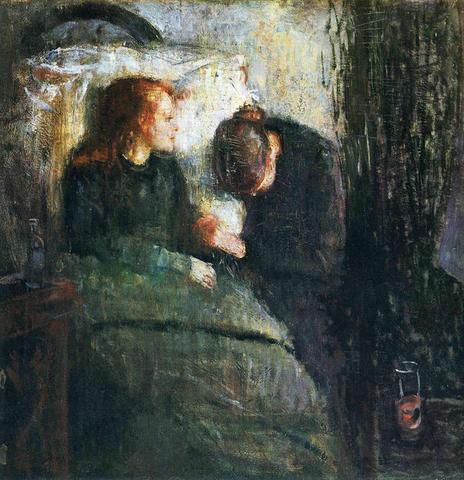
“The Sick Child”:This painting is an important work in Munch’s art. It reflects on his elder sister Sophie’s tuberculosis disease. Munch produced a total of six different paintings with the same motif between 1885/1886 and 1927. Each version shows the same two figures painted in different styles, and the averted gazes of the figures tell of farewell and mourning.
“The Dance of Life”:Painted between 1899 and 1900, it is part of Munch’s “Frieze of Life” series. This work explores themes of love, desire, and the cycle of life, depicting a group of people dancing on the beach. The painting uses bold colors and dynamic lines to convey the energy and passion of life, as well as the underlying tensions and emotions.
“Puberty”:Created in 1893, this painting depicts a young girl on the verge of womanhood, sitting on the edge of a bed with a look of innocence and vulnerability. The work explores themes of sexuality, innocence, and the transition from childhood to adulthood, with the girl’s body language and the dark background creating a sense of unease and anticipation.
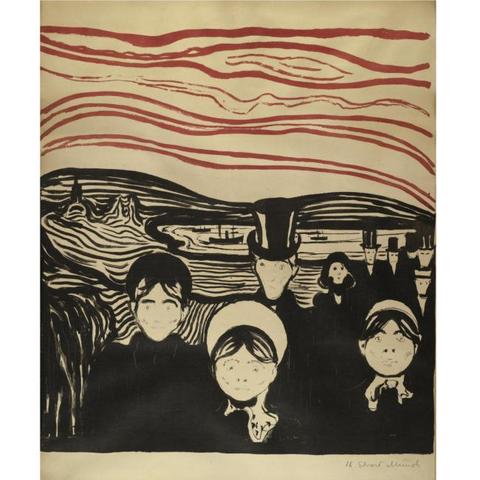
“Vampire” (1893 – 94):This painting is also part of the “Frieze of Life” series. It depicts a woman with red lips and a menacing expression, leaning over a man as if sucking his life force. The work explores themes of love, death, and the power dynamics between men and women, with the image of the vampire representing the dangerous and seductive aspects of female sexuality.
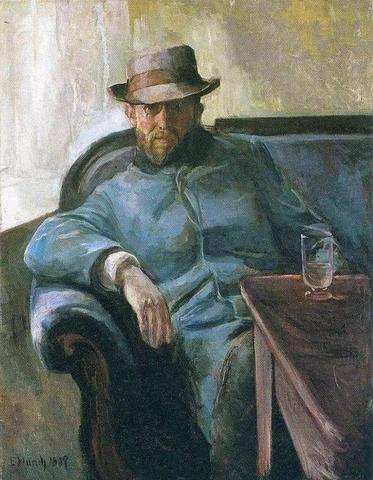
“Sun”:Painted in 1912, it was created for the centennial celebration of the University of Oslo. The painting depicts the sun rising over the rocky islands near Kragerø in southern Norway, with a couple facing the sun. It reflects Munch’s interest in nature and “vitalism”, and the bright colors and dynamic composition convey the energy and power of the sun.
“Death in the Sickroom”:From 1893, this painting is based on Munch’s memories of his sister Sophie’s death. It shows a group of people gathered around a bed where a dying woman lies, creating a somber and mournful atmosphere. The work explores themes of death, grief, and the human experience of loss.
NOW, please check out our collection of NICOLAI FECHIN in High-Definition photo format, a perfect collection. Stock of Art has painstakingly curated an art collection of Nicolai Fechin, presenting it in the highest – resolution JPG or TIF formats (Top HD in the entire web). Every piece within this collection has been meticulously gathered and compiled into a single, comprehensive folder.
These aren’t just ordinary digital images; they are portals to the world of fine art. Each one is primed for printing in a super – high – definition format that defies the boundaries between the reproduced and the original. When printed, the photos emerge with a vivid clarity that is nothing short of astonishing. The colors are as rich and true as the day the artist first laid brush to canvas, the details as sharp as if one were examining the work up close in a prestigious gallery.
So lifelike are these prints that they seem to transcend the realm of mere reproduction. They stand as near – perfect facsimiles of the original artworks, ready to grace your walls as if they were the very masterpieces themselves. Hang them in your living room, study, or hallway, and let their beauty transform your space into a private gallery, a haven of aesthetic delight where the allure of great art is ever – present. (Please note, the below images that you are about to see ARE NOT in HD format, and are only for preview display, yet the resolutions of the files we sell are much much higher.)
(if you would like to purchase this collection, please click here to contact me)


Nicolai Fechin is a renowned Russian – American artist. Here is a detailed introduction to him and his art works:
Fechin’s artworks are characterized by bright colors, vivid contrast of light and shade, and strong expressiveness. He was good at using broad brushstrokes, sometimes using a scraper or even his hand instead of a brush, creating different texture effects on the canvas. His works, whether portraits or genre paintings, focus on depicting the true emotions and characters of people, showing a high artistic level.
Here are some of Nicolai Fechin’s most famous paintings:
Nicolai Fechin’s painting style is highly distinctive, characterized by the following aspects:
Nicolai Fechin’s background and experiences significantly influenced his painting style in various aspects, mainly reflected in his early education, exposure to different cultures, and personal life events. The details are as follows:
Fechin’s personal life events, especially his move to the United States, had a profound impact on his painting style, which can be analyzed in the following aspects: